

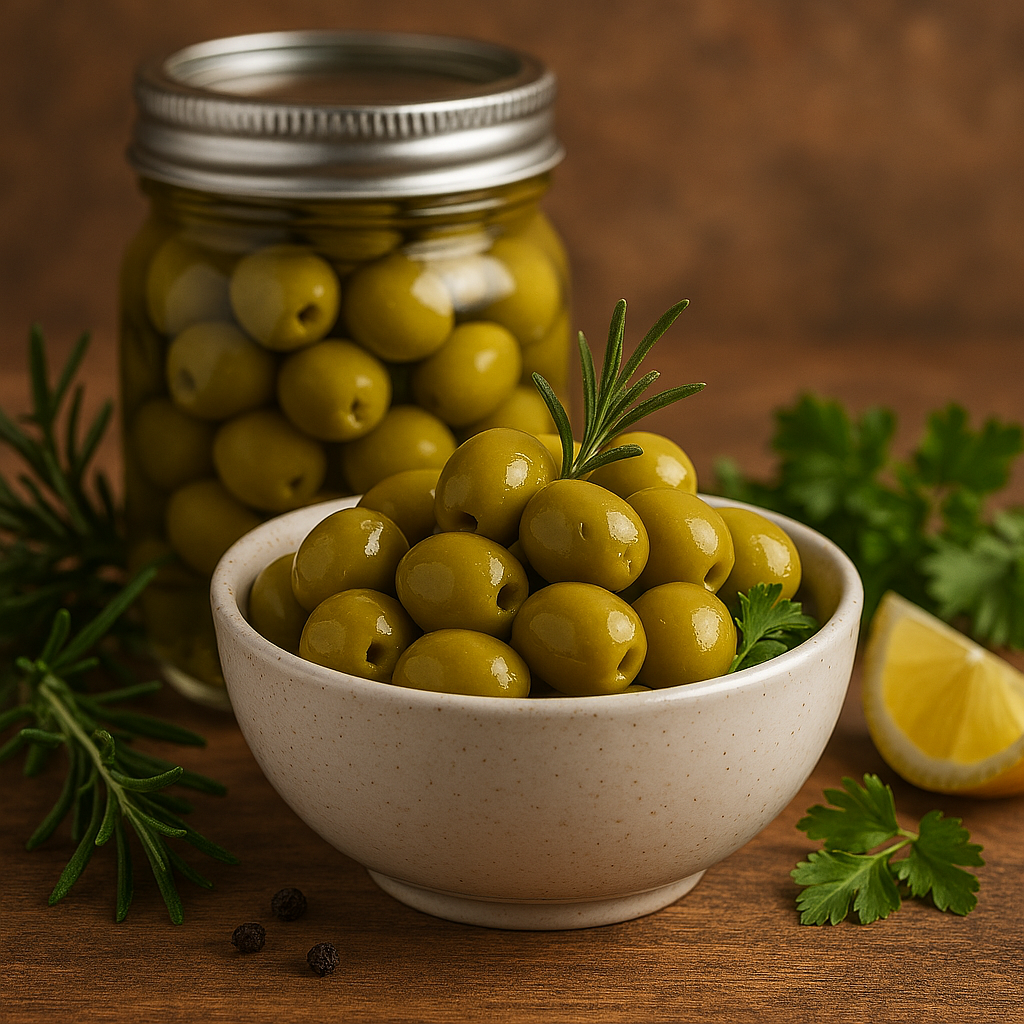
A Complete Guide to Olive Varieties in the Market; From Size and Type to Storage Tips
Hello to all olive lovers! How are you? If you're like me and believe that a bowl of olives can instantly lift your mood, then you've come to the right place. Olives aren't just a simple snack; they're what you might call the king of the table! From breakfast to dinner, and even as a light, healthy afternoon treat, they've always been our faithful companion.
How many times have you gone to the store and found yourself facing a huge selection of olive containers in different colors, shapes, and sizes? It can be pretty confusing, right? Which type tastes better? What's the difference between this one and that one? And why do some have pits while others don't? Don't worry, because today you're going to become an olive expert. Together, we'll explore the diverse world of this heavenly fruit and talk about the different olive varieties available in the market, their sizes, and types. So stick with me for a useful and interesting read.
Iranian Olive Varieties; A Colorful World
Let's start our journey right here in Iran. Iran is one of the top producers of olives, and the variety of Iranian olive types can truly satisfy any palate. You might find it interesting to know that olives aren't just green and black; there's a whole world of flavors hidden behind these colors.
In our country, olives are usually known by the names of the regions where they're grown or by their shape and appearance. This high diversity means everyone can choose the best option based on their taste. Let's take a look at some of the most famous ones:
- Shengeh Olive: If you're into small, flavorful olives, Shengeh is the one you need to try. This little olive has its own dedicated fan base.
- Zahedi Olive: This is the large, robust olive often used for brining and oil extraction. Zahedi is a market staple.
- Mary Olive: Originally a foreign variety, Mary has adapted very well in Iran. It's usually large, fleshy, and crunchy.
- Fishmi Olive: Just hearing its name brings to mind its almond-like, elongated shape. Fishmi olive is one of the most popular choices for those who appreciate a beautiful appearance.
- Khorramabad Olive: Famous for its thin skin and delicate flavor. If you're looking for an olive with a milder taste, Khorramabad is a great choice.
- Dezful Olive: Like the warm-hearted people of southern Iran, this olive has its own unique taste and aroma and is typically used for preparing Marinated Olives (Zeitoon Parvardeh).
These are just a few examples. Each of these Iranian olive varieties has its own story and a unique flavor worth trying.
Benefits of Pitted Olives; Why You Shouldn't Underestimate the Pit?
To be honest, I used to be one of those people who would immediately discard the olive pit as soon as I saw it. But later, when I read more about the benefits of pitted olives, I realized what a treasure I was throwing away!
You might also be interested to know that the olive pit, that hard, woody part, is packed with beneficial compounds. This small pit is full of antioxidants, fiber, and anti-inflammatory compounds that can work wonders.
So, what's all the excitement about? Let's review some of the most important benefits of olives with pits:
- Digestive Aid: Olive pit powder, due to its high fiber content, can help improve bowel function and relieve constipation.
- Skin Rejuvenator: Believe it or not, olive pits are used to make anti-wrinkle masks. The antioxidants they contain fight free radicals and keep the skin vibrant. Some even believe it could be a natural alternative to Botox!
- Helps Reduce Inflammation: If you suffer from joint or muscle pain, olive pit oil or powder can act as a natural anti-inflammatory.
- Strengthens Hair: Olive pit oil is also an excellent remedy for strengthening hair follicles and treating dandruff.
Of course, eating the pit directly is difficult and can damage your teeth! The best way is to dry and grind the pits and add the powder to your yogurt, salad, or even smoothies. Now that's what I call making the most of the whole fruit!
Types of Olives by Size in Iran; From Small to Large
You've probably noticed that olives come in different sizes. This sizing isn't just about appearance; it also affects their taste, use, and even price. In Iran, to categorize the types of olives by size, an interesting criterion called "the number of olives per kilogram" is often used.
This means the more olives there are in one kilogram, the smaller the olives are, and vice versa. There's also a global standard for this. According to Codex Alimentarius standards, table or canned olives are classified based on size.
This classification is more or less common in Iran too. Olives are generally divided into three main categories:
- Small: Small olives like Shengeh or some types of small Mary olives, which are excellent for pickling and using in stews.
- Medium: This category includes the regular olives you commonly see in the market, suitable for both fresh eating and brining.
- Large: Large and super-sized olives that look very appealing and are usually bought for entertaining guests and special occasions. Large Zahedi and Fishmi are prime examples of this category.
This sizing helps us make the best choice based on our needs.
The Most Famous Iranian Olives by Size
Now that we're familiar with size categories, let's take a closer look at the characteristics of each of the most famous Iranian olives by size. This way, when you go shopping, you'll know exactly which popular variety to look for.
1. Large Olives; Zahedi and Fishmi
If you're looking for a substantial and firm olive, Zahedi olive is the best choice. This olive, primarily cultivated in the Qazvin and Tarom regions, is famous for its large size and fleshy texture. Zahedi is substantial enough to take a good bite and enjoy its flavor. It's usually offered brined or in saltwater and is an excellent choice for those who love traditional, authentic taste.
On the other hand, we have the Fishmi olive, named for its almond-like, elongated shape. Fishmi is also considered a large, premium olive and usually has its own specific clientele due to its attractive appearance. Both of these olives are among the best-selling olive varieties available in the market.
2. Small Olives; Shengeh and Mary
On the other end of the spectrum, we have the Shengeh olive, which is a flavor bomb in a small package. Shengeh originally comes from the northern regions of the country and has its own dedicated fans. These small, tasty olives usually have a mild and delicate flavor, making them perfect for those seeking a low-salt, simple olive.
Mary olive, however, has a different story. Mary is actually a foreign variety that is also cultivated in Iran. These olives come in different sizes, from small Mary to large Mary. But the small type is also very popular. Mary is known for its crunchy texture and firm flesh and is usually served brined, sometimes stuffed with aromatic vegetables.
Important Olive Storage Tips; How to Keep Olives Fresh?
Now that you've bought your favorite olives and brought them home, you need to know how to care for them so they stay fresh longer. Olives are living things that will spoil quickly if conditions aren't right. So pay special attention to these important olive storage tips.
First of all, the storage location is very important. Always keep olives in a cool, dark place away from direct sunlight. Heat and light are the number one enemies of this heavenly fruit and can cause them to soften and spoil.
If you've bought olives in bulk, the best place for them is the refrigerator. Put the olives in a sealed container or jar and make sure they are completely submerged in their brine or solution. Here are a few insider tips for keeping olives fresh:
- Take the Brine Seriously: A saltwater solution (about 7-8% salt) is your olive's best friend. This solution prevents the growth of bacteria and mold.
- A Little Vinegar Works Wonders: Adding a little vinegar (e.g., half a small glass) to the jar of olives can work wonders and prevent mold growth.
- Change the Brine Monthly: If your olives are in brine, it's best to change the brine every once in a while (e.g., monthly) to keep them fresh.
- Open the Container Carefully: Always use a clean, dry spoon or ladle to remove olives from the jar. Putting your hand or a wet spoon inside can cause mold.
There are also a few signs that tell you olives are going bad: a sour, unpleasant smell, surface mold, a very soft and mushy texture, and unusual discoloration. If you see these signs, it's best not to consume those olives.
Conclusion
Now you can confidently identify different types of Iranian olives and choose the best option based on your preference. Whether you prefer the large, fleshy Zahedi olive or the unique taste of small Shengeh olives, the important thing is to enjoy eating this heavenly fruit.
If you are looking to supply various types of highest quality olives, just contact Tak Ava. We provide the best and freshest olives with a quality guarantee. We look forward to hearing from you!
