

Why Do Pickles Get Soft? Causes and Tips for Crunchy Pickles
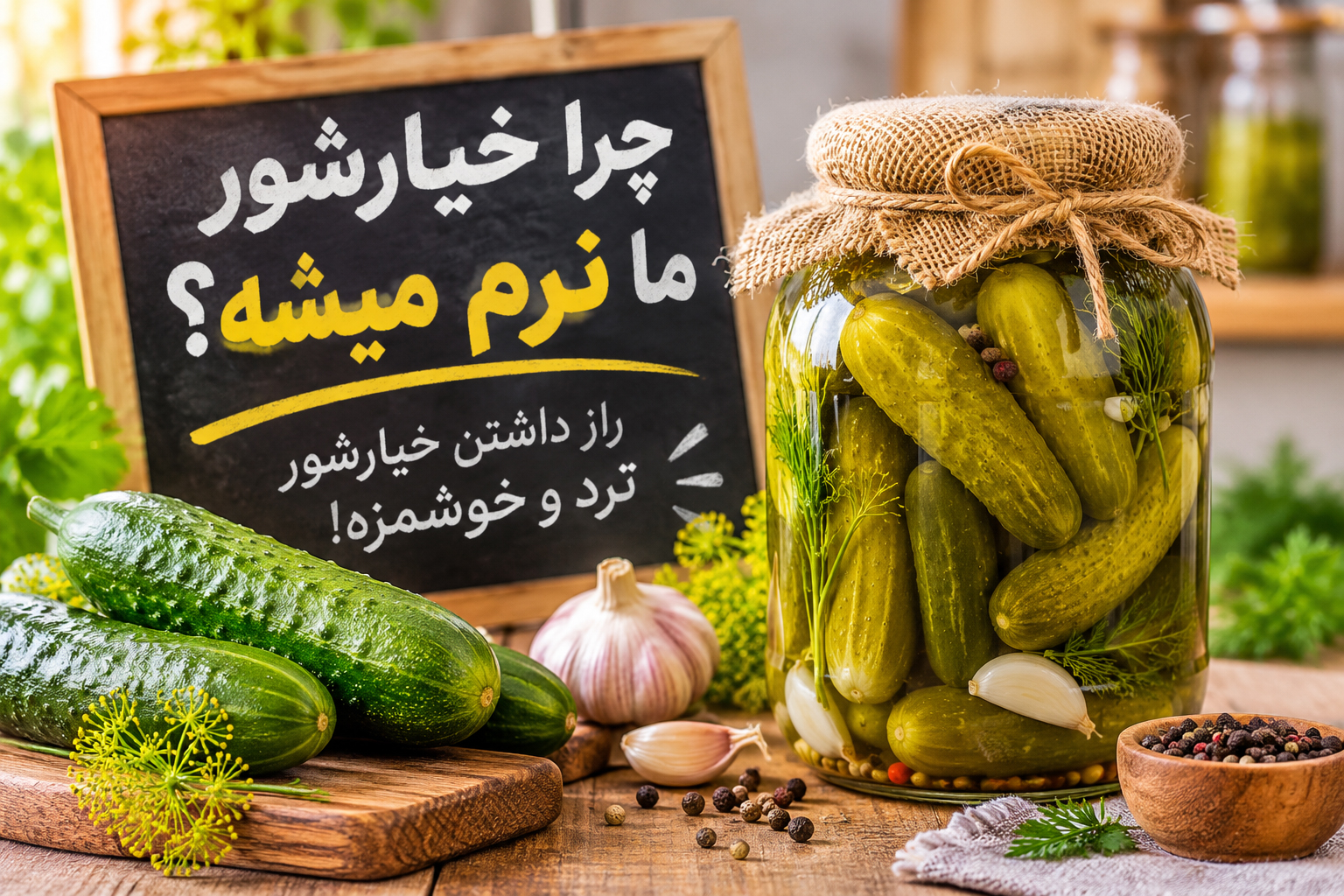
Have you ever put time and effort into making a jar of homemade pickles, waited patiently for them to be ready, only to open the jar and find soft, wrinkled, or mushy cucumbers instead of the crisp, crunchy pickles you were hoping for?
It's one of the most common frustrations when making pickles at home. Even when you carefully select your ingredients and follow a recipe, your pickles may not turn out as crisp as you'd like.
The truth is, keeping pickles crunchy is about much more than simply adding the right amount of salt or vinegar. Factors such as cucumber freshness, variety, water quality, brine concentration, fermentation temperature, storage conditions, and even a tiny part of the cucumber that is often overlooked can all affect the final texture.
In this guide, we'll explore why pickles get soft, what causes homemade pickles to become mushy, and how to make crunchy, flavorful pickles that retain their texture for longer.
1. What Is the Main Cause of Soft Pickles?
To understand why pickles become soft, it's helpful to know a little about what makes a fresh cucumber firm and crisp in the first place.
The firmness of a cucumber depends largely on the structure of its plant cells and a natural substance called pectin.
Pectin is a component of plant cell walls that helps maintain their strength and structural integrity. When pectin breaks down due to enzymes or microbial activity, cucumber tissue gradually loses its firmness.
As a result, anything that damages the cucumber's cellular structure can contribute to soft or mushy pickles.
Some of the most common causes of soft pickles include:
- Using unsuitable or old cucumbers
- Leaving the blossom ends intact
- Using too little salt or an improperly balanced acidity level
- Fermenting at excessively high temperatures
- Allowing cucumbers to remain above the brine
- Excessive heat during processing
- The growth of unwanted yeasts, molds, or microorganisms
- Using stale or contaminated garlic, herbs, or spices
Let's take a closer look at each of these factors and how you can prevent them.
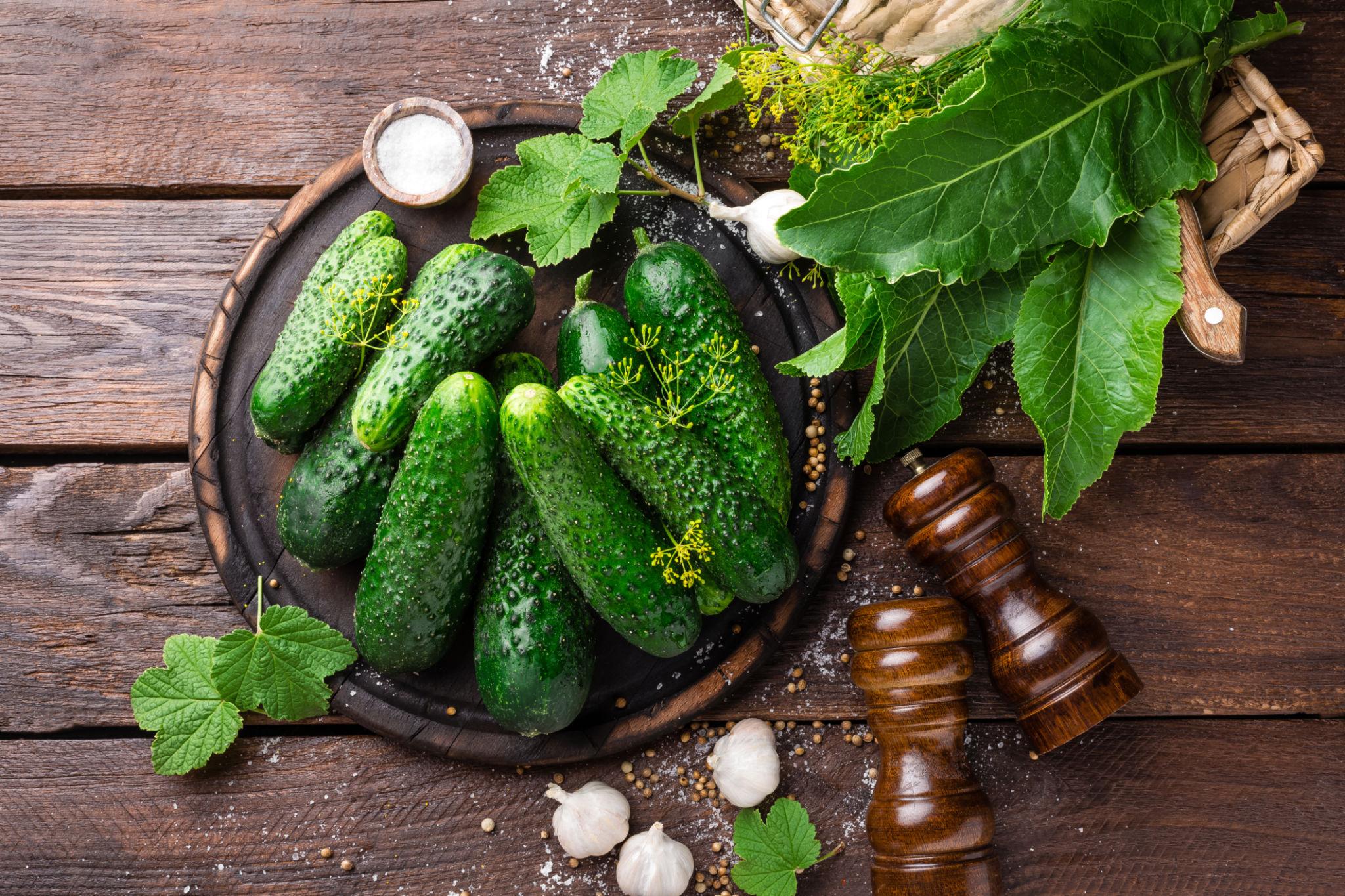
2. Choosing the Wrong Cucumbers: The First Mistake in Pickling
You might think that any cucumber can be used to make pickles, but that's not always the case.
The cucumber variety, maturity, and freshness all have a significant impact on the final quality of your pickles.
What are the best cucumbers for pickling?
The best choice is usually a cucumber variety specifically grown for pickling. These cucumbers tend to be smaller, firmer, have relatively thicker skins, and contain smaller seeds.
By contrast, salad cucumbers, which are primarily grown for fresh consumption, may contain more water and can soften more easily during the pickling process, especially when exposed to heat.
Here are a few important tips when choosing cucumbers for pickling:
- Choose firm, fresh cucumbers.
- Avoid oversized or overly mature cucumbers.
- Don't use cucumbers that are wrinkled, bruised, or have soft spots.
- Cucumbers with large, fully developed seeds are generally less suitable.
- Pickle your cucumbers as soon as possible after buying or harvesting them.
An important tip: The longer the time between harvesting and pickling, the more likely cucumbers are to lose some of their original freshness and crispness. Ideally, prepare them on the day you buy or harvest them. If you can't pickle them right away, keep them refrigerated until you're ready.
3. Not Removing the Blossom End: A Little Detail That Makes a Big Difference
One of the lesser-known causes of soft pickles is leaving the blossom end of the cucumber intact.
When washing cucumbers, many people simply trim the ends without realizing that one end is particularly important.
Cucumbers have two ends:
- The stem end, where the cucumber attaches to the vine
- The blossom end, where the flower was attached
The blossom end may contain enzymes that break down pectin and contribute to softening the cucumber during pickling.
For this reason, it's recommended to trim approximately 1–2 mm from the blossom end before pickling.
Why does this matter?
Enzymes present in the blossom end can gradually damage the cucumber's texture during fermentation and storage, making pickles softer over time.
This simple step is one of the well-established recommendations for helping homemade pickles stay firm and crunchy.
4. Not Using Enough Salt: Why Pickles Become Soft Without Proper Salt Levels
Salt is one of the most important ingredients in pickling, and its role goes far beyond adding a salty flavor.
During pickling, salt helps control microbial growth and creates conditions that support the desired fermentation process.
This is particularly important for fermented pickles, where the salt concentration needs to be appropriate to allow beneficial microorganisms to thrive while limiting the growth of undesirable ones.
What happens when there isn't enough salt?
When the salt concentration is lower than required, conditions may become favorable for unwanted bacteria and yeasts.
Some of these microorganisms can produce enzymes that break down pectin, weakening the cucumber's structure.
The result may be soft, mushy, slimy, or even spoiled pickles.
What type of salt is best for pickling?
It's generally best to use pickling salt or pure salt without anti-caking additives.
Some salts, particularly flaky salts or those with irregular grain sizes, can make accurate measurements more difficult.
The most important thing is to measure salt according to a reliable, tested recipe rather than estimating the amount by taste or guesswork.
In fermented pickles, changing the salt concentration without a reliable recipe can also interfere with the fermentation process.
5. High Temperatures: One of the Biggest Enemies of Crunchy Pickles
Another major cause of soft pickles is an unsuitable temperature during fermentation.
If you're making naturally fermented pickles, temperature plays a crucial role in how the fermentation process develops.
At higher temperatures, microbial activity increases, and the risk of unwanted microbial growth and texture breakdown may also rise.
According to recommendations from the National Center for Home Food Preservation (NCHFP), temperatures around 70–75°F (21–24°C) are generally suitable for traditional cucumber fermentation.
However, the exact temperature and fermentation time depend on the recipe and surrounding conditions.
How can you prevent this?
- Ferment your pickles in an environment with a relatively stable temperature.
- Keep the jar away from stoves, heaters, and direct sunlight.
- Avoid sudden or extreme temperature changes.
- Once fermentation is complete, store the pickles according to a reliable preservation method.
Remember, excessive heat doesn't just affect the flavor of pickles. It can also damage their structure and reduce their crispness.
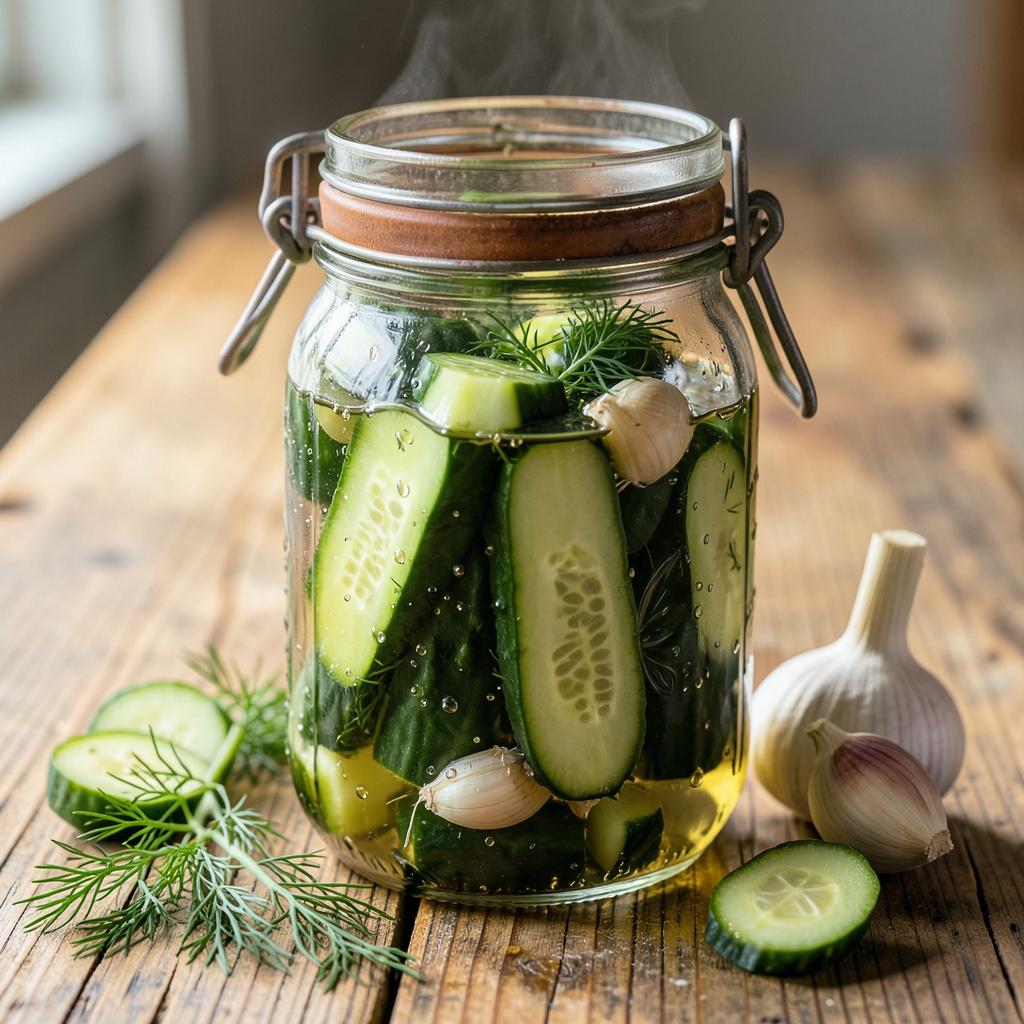
6. Cucumbers Not Fully Submerged in Brine
One common mistake when making pickles is allowing some cucumbers to remain above the brine.
When part of a cucumber is exposed to air, conditions may become favorable for surface molds and unwanted yeasts.
This is particularly important when making fermented pickles.
How can you prevent this?
Make sure all cucumbers remain fully submerged in the brine throughout the fermentation process.
You can use a fermentation weight or another clean, food-safe device to keep cucumbers from floating to the surface.
If the brine level drops, replenish it only according to a reliable recipe using the appropriate brine solution.
7. Using the Wrong Vinegar or Insufficient Acidity
For vinegar-based pickles, acidity is an essential factor.
Vinegar provides the acidity needed to create the proper environment for safe preservation, as well as the characteristic tangy flavor of pickles.
If the vinegar is too diluted or its amount is lower than recommended in a tested recipe, the product may not reach the required acidity, potentially increasing the risk of undesirable microbial growth.
What should you keep in mind when making vinegar pickles?
- Use food-grade vinegar with a clearly specified acidity level, commonly 5% acidity.
- Follow the recommended water-to-vinegar ratio in a tested recipe.
- Don't reduce the amount of vinegar simply because you prefer a milder flavor.
- Avoid using homemade vinegar with unknown acidity levels for pickles intended to be stored at room temperature.
An important safety note: The amounts of vinegar, water, and cucumbers in tested recipes are carefully determined. Changing these ratios may affect food safety. If you intend to store pickles at room temperature for extended periods, always follow a tested preservation recipe.
8. Excessive Heat Processing: Why Cooked Pickles Become Soft
Some people heat pickle jars in boiling water for longer than necessary or heat the vinegar solution excessively to ensure that their pickles last longer.
However, too much heat can damage the pectin structure and cause cucumbers to soften.
This is why pickles may sometimes look perfectly fine and taste acceptable, yet lack the firm, crunchy texture you expect when you bite into them.
How can you prevent this?
- Avoid unnecessary heating of the cucumbers.
- Follow the recommended processing time and temperature in a tested recipe.
- Use approved heat-processing methods for pickling.
However, never skip the heat-processing steps required for food safety just to preserve crispness. Proper processing must balance texture quality with safe preservation.
9. How Do Water Quality and Spices Affect Pickle Texture?
You might think that water quality and spices only affect the flavor and color of pickles, but they can also influence the final quality of the product.
Water quality
The water used for pickling should be clean, safe, and suitable for drinking.
Certain minerals and impurities in water, especially at inappropriate levels, may affect the appearance and texture of the final product.
For the best results, use safe drinking water.
Garlic and spice quality
Garlic, herbs, and spices are essential for adding flavor to pickles.
However, stale, moldy, or contaminated ingredients may introduce undesirable microorganisms into the pickle jar.
Always use fresh, healthy ingredients and inspect them carefully before adding them to your pickling mixture.
10. Do Grape Leaves Help Keep Pickles Crunchy?
One traditional recommendation for making crunchy pickles is adding grape leaves.
But does this method actually work?
Grape leaves contain compounds called tannins. Tannins may help inhibit certain pectin-degrading enzymes, potentially helping vegetables maintain a firmer texture.
That's why grape leaves are commonly included in some traditional pickle recipes.
However, grape leaves shouldn't be considered a substitute for proper pickling techniques. If the cucumbers aren't fresh, the salt concentration is incorrect, or fermentation conditions are unsuitable, adding a few grape leaves won't solve the problem.
If you'd like to try this traditional method, choose fresh, healthy grape leaves and wash them thoroughly before use.
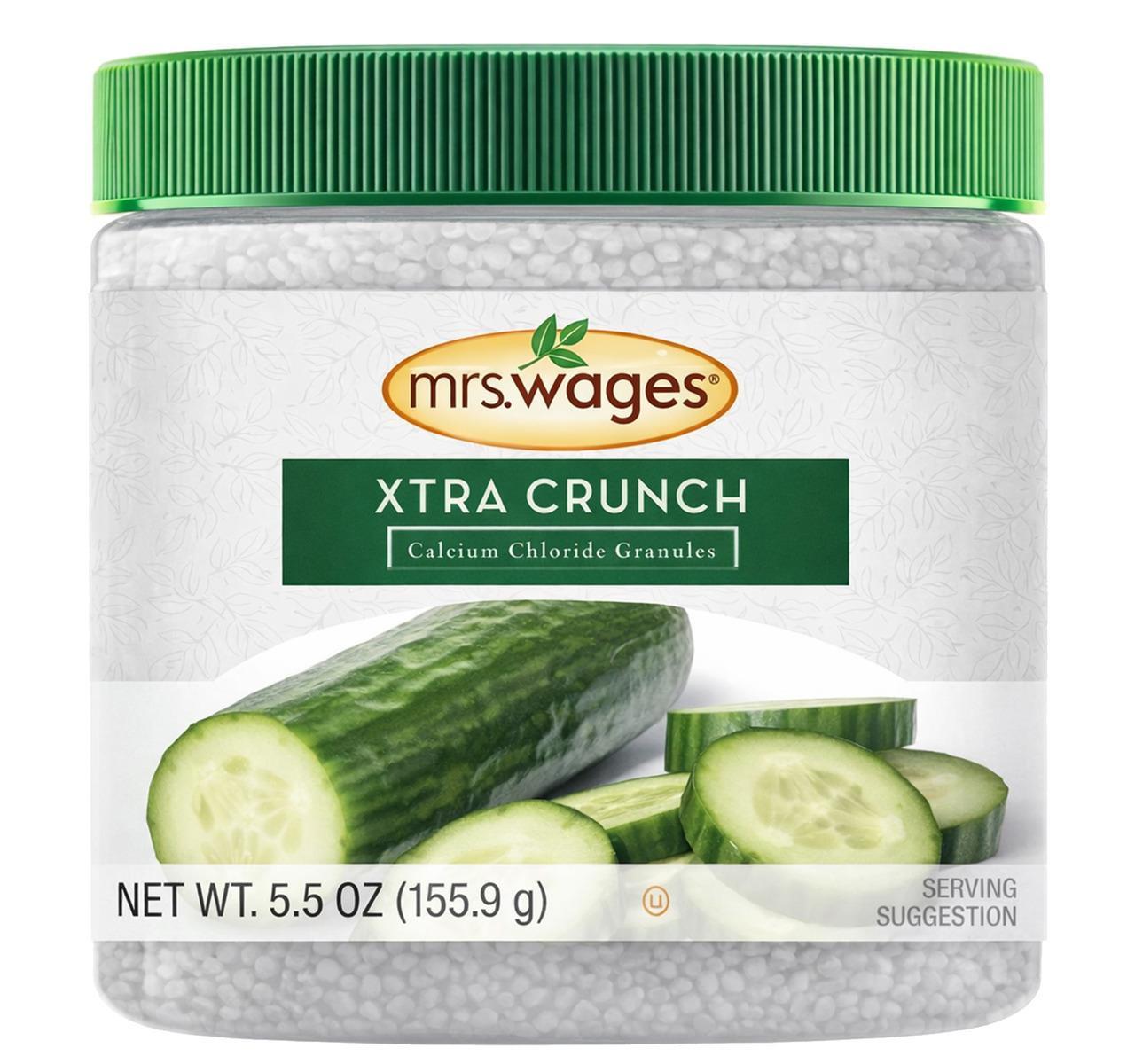
11. Does Calcium Chloride Help Keep Pickles Crunchy?
One of the more scientifically supported ways to help preserve pickle firmness is using calcium compounds, particularly calcium chloride (CaCl₂).
Calcium chloride is widely known in the food industry as a firming agent.
How does calcium chloride work?
Pectin in plant cell walls can interact with calcium ions, forming connections that help strengthen the structure of plant tissues.
For this reason, calcium chloride may help maintain the firmness and crunch of pickles.
It's also used in some commercial products and recipes specifically designed to make crisp pickles.
However, keep the following points in mind:
- Use only food-grade calcium chloride.
- Follow the dosage recommended by the manufacturer or a reliable recipe.
- Excessive amounts may negatively affect the flavor.
- Calcium chloride is not a substitute for salt, vinegar, or proper hygiene.
If you're making homemade pickles, using fresh ingredients and following a tested recipe are more important than relying on any particular additive.
12. Why Do Pickles Become Soft After a Few Weeks or Months?
Sometimes pickles are firm and crunchy during the first few days, but gradually become soft after several weeks or months.
This usually indicates that one or more factors during processing or storage have affected the cucumber's texture.
The most common causes include:
- Continued activity of pectin-degrading enzymes
- Growth of unwanted yeasts and microorganisms
- Insufficient salt concentration or inadequate acidity
- Storage at excessively high temperatures
- Cucumbers not remaining fully submerged in brine
- Using old or overly mature cucumbers
Even if your pickles initially turn out well, these factors can gradually cause them to lose their firmness during storage.
13. How to Make Crunchy, Delicious Pickles: 10 Golden Tips
Now that we've explored the main causes of soft pickles, let's review the most important ways to prevent them.
If you want pickles that give you that satisfying crunch with every bite, keep these ten tips in mind.
1. Choose fresh cucumbers
The fresher and firmer the cucumbers are, the better their chances of retaining their crispness.
2. Choose small, pickling-specific cucumbers
Large, overly mature cucumbers are generally less suitable for making crunchy pickles.
3. Trim the blossom end
Cut off approximately 1–2 mm from the blossom end and discard it.
4. Use the right salt
The type and amount of salt should match the pickling method you're using.
5. Don't change the vinegar-to-water ratio
For vinegar-based pickles, follow tested recipes with a clearly specified acidity level.
6. Keep cucumbers fully submerged
Maintaining contact between the cucumbers and brine throughout fermentation is essential.
7. Control the temperature
Excessive heat may lead to undesirable fermentation and softer cucumbers.
8. Use fresh, clean ingredients
Moldy or stale garlic, herbs, and spices can compromise pickle quality.
9. Avoid excessive heat processing
Heat processing should be carried out according to a tested preservation method.
10. Pay attention to storage conditions
Store finished pickles according to the recipe and preservation method, away from excessive heat and direct sunlight.
14. Can Soft Pickles Become Crunchy Again?
Many home cooks wonder whether there's a way to restore the original crunch once pickles have become soft.
The answer is that, in most cases, once the cucumber's cellular structure and pectin network have been significantly damaged, their original texture cannot be fully restored by adding salt, vinegar, grape leaves, or other ingredients.
Some methods, such as chilling, may make the pickles feel slightly firmer, but they cannot repair damaged cellular structures.
An important food safety warning
If pickles become slimy, develop an unpleasant odor, show signs of mold, or display other obvious signs of spoilage, do not eat them. Discard the product.
Don't taste pickles to determine whether they're safe. Adding vinegar or salt to spoiled pickles is not a reliable way to make them safe to eat.
Softness alone doesn't always indicate microbial spoilage, but if it occurs alongside slime or other signs of spoilage, it should be taken seriously.
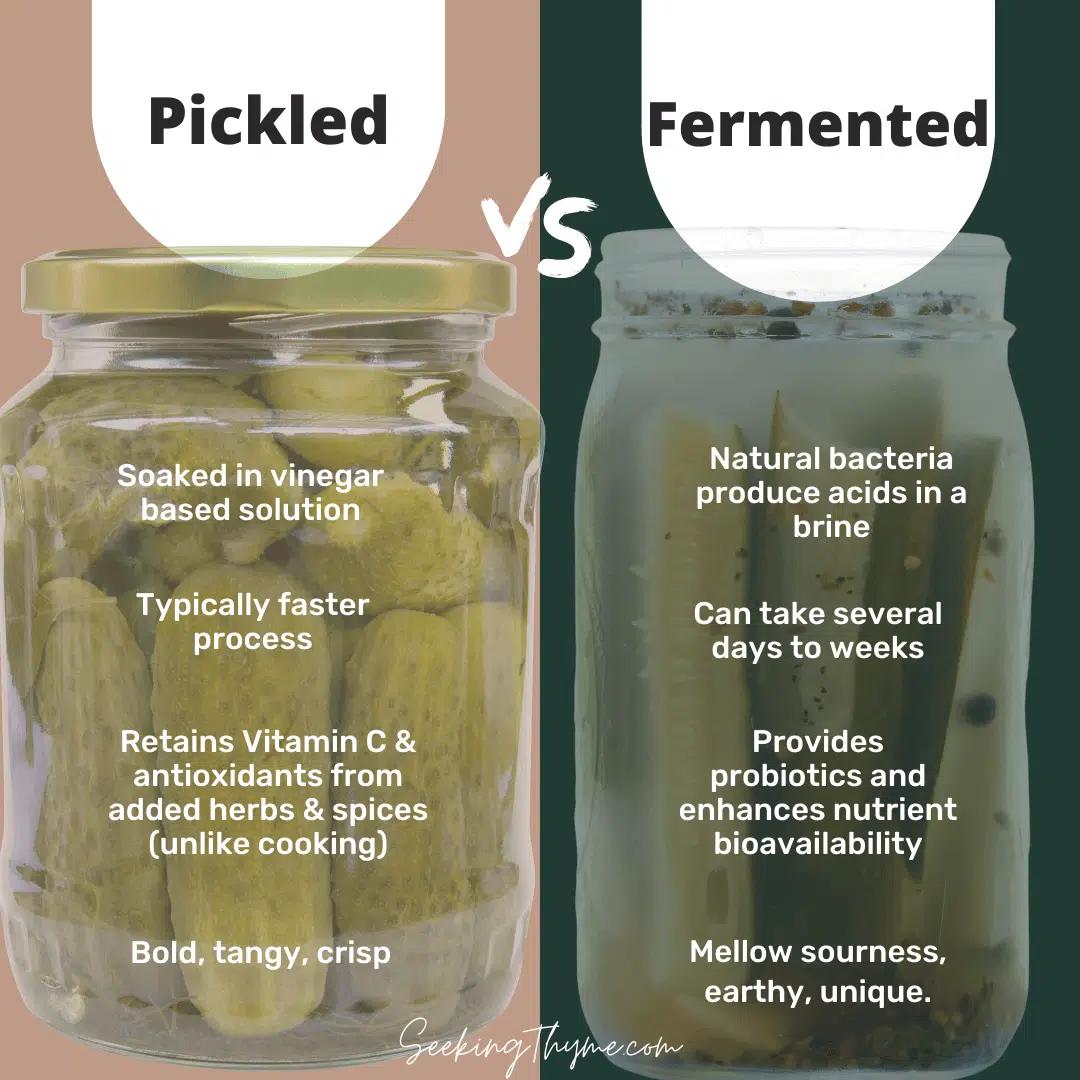
15. The Difference Between Vinegar Pickles and Fermented Pickles
One important distinction that is often overlooked is the difference between vinegar-based pickles and naturally fermented pickles.
These two types of pickles are made using different processes, which means the factors affecting their texture aren't exactly the same.
Vinegar pickles
In vinegar-based pickles, vinegar is the primary source of acidity.
Therefore, vinegar concentration, the water-to-vinegar ratio, cucumber quality, and heat-processing conditions are all important.
If the vinegar is too diluted or the processing method isn't properly followed, the product may face quality and food safety issues.
Fermented pickles
In naturally fermented pickles, beneficial bacteria convert naturally occurring sugars in cucumbers into lactic acid during fermentation.
In this method, salt concentration, fermentation temperature, fermentation time, and keeping cucumbers submerged in brine are particularly important.
If the salt concentration is unsuitable or the temperature is too high, fermentation may not proceed properly, and cucumbers may become soft.
Before choosing a pickling method, remember that each process requires its own recipe and preparation conditions.
16. Frequently Asked Questions About Soft Pickles
1. Why do pickles become soft after a few days?
Several factors may cause pickles to soften after a few days, including using old cucumbers, leaving the blossom ends intact, insufficient salt, high fermentation temperatures, and unwanted microbial activity.
2. Does adding more salt make pickles crunchier?
Not necessarily. Salt needs to be used in the correct amount. Too little or too much salt may disrupt the fermentation process. The best approach is to follow a tested recipe and measure the salt accurately.
3. Why do pickles become slimy?
Slimy pickles may indicate the growth of unwanted microorganisms and spoilage. If pickles become slimy, they should not be consumed.
4. Do grape leaves really help keep pickles crunchy?
Grape leaves contain tannins that may help inhibit certain pectin-degrading enzymes. However, adding grape leaves alone cannot guarantee that pickles will remain crunchy.
5. Does adding more vinegar make pickles firmer?
Not necessarily. Vinegar is important for acidity and food safety in vinegar-based pickles, but increasing its amount without following a tested recipe doesn't necessarily make pickles crunchier. The water-to-vinegar ratio should be maintained as recommended.
6. What is the best salt for making pickles?
Pickling salt or pure salt without anti-caking additives is generally a suitable choice. However, the most important factor is accurately measuring the required amount according to a tested recipe.
7. Is calcium chloride helpful for crunchy pickles?
Yes. Food-grade calcium chloride may help strengthen the pectin structure and maintain the firmness and crunch of pickles when used in the recommended amount.
8. Why do my homemade pickles become soft after several months?
High storage temperatures, enzyme activity, poor cucumber quality, and the growth of unwanted microorganisms may all contribute to softening over time.
Conclusion: What's the Secret to Crunchy Pickles?
Making crunchy, delicious pickles isn't as difficult as it may seem. The key is to follow a few essential steps from the very beginning.
Choosing fresh, suitable cucumbers, trimming the blossom ends, using the correct salt and vinegar ratios, controlling fermentation temperatures, maintaining proper storage conditions, and paying attention to ingredient hygiene are all important factors in keeping pickles firm and crunchy.
Remember, there is no magic trick or special additive that can replace fresh ingredients and proper pickling techniques.
So, the next time you make homemade pickles, keep these tips in mind. With a little care and attention, you can enjoy a jar of flavorful, beautifully preserved pickles that are firm, crisp, and delicious!
At Tak Ava, we also offer high-quality pickle sourcing and production opportunities through available manufacturing capacities, helping businesses produce pickles with excellent quality and texture in line with their needs. We welcome collaboration with pickle producers and industry partners looking for reliable supply and high-quality production solutions.
**Have you ever experienced soft pickles at home? Which method do you think works best for keeping pickles crunchy? Share your tips and experiences with us and other readers!
